
Wandering, Not Lost
There exists, at least in the US and perhaps less so now than when I was a child, the idea that each person will have one singular career path through life. This is not a particularly realistic idea for a lot of people.

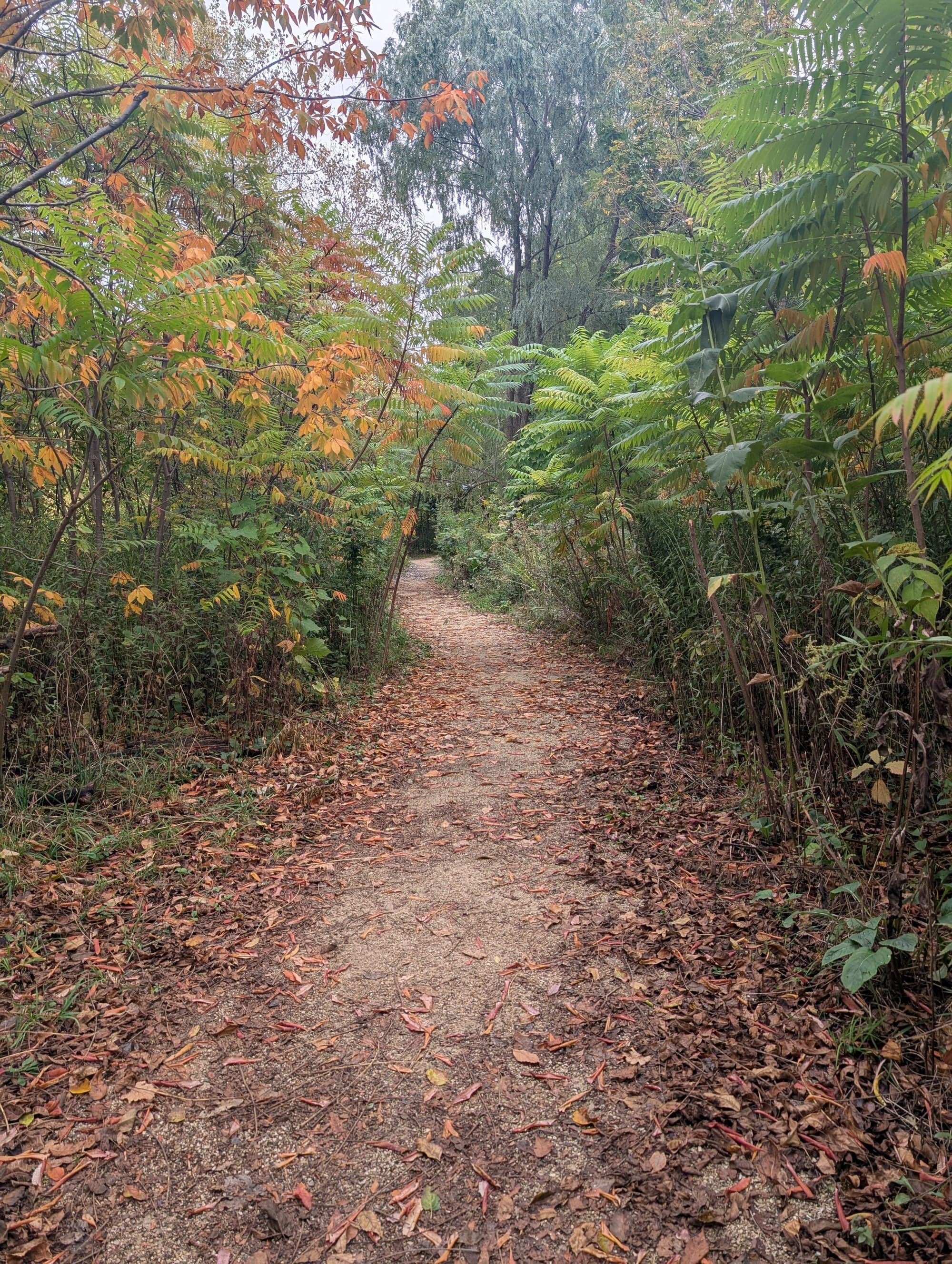
Hanging near the ceiling in my room I have a canvas print with "Not all those who wander are lost" written on it. I have this because it was given to me as a post-show gift when I directed a production of The Hobbit in 2014, not because I'm generally a big Tolkien fan (although I am). It's a little odd, because the picture is of a fairly modern bridge rather than anything more Middle-earth related, but I've hung onto it for two reasons: good memories from the show, and that the quote resonates with me on a deep level. I spent some time wondering why, aside from the obvious Middle-earth-loving reasons, since I really haven't moved around that much. Prior to moving to Chicago last year, I'd lived all my life in one fairly tight area of Michigan. I liked to travel, yeah, but that didn't seem like it was it.
Recently I realized that it's a more metaphorical sense of wandering I'm thinking of. Wandering between different professions, different career goals, different paths through life rather than through more literal geography.
There exists, at least in the US and perhaps less so now than when I was a child, the idea that each person will have one singular career path through life. One is expected to know what one wants to do relatively young, aim for it in highschool, go to college for it (and get a degree), and then proceed to do that thing until retirement. This is not a particularly realistic idea for a lot of people, particularly the part about having any idea what you want to do for life when still a child, but it is clearly expected.
I haven't done that. Not at all. It's been one of the many things I've mentally beat myself up about in the past (and an early sketch of this post read far more as an attempt to justify my own more winding path to where I am now than anything else), but the problem isn't me or what I've done. The problem is the expectation, and how flawed it is for so many people.
Like many kids, I had vague and grand ideas of what I wanted to do when I grew up: be an astronaut, an astrophysicist, a paleontologist, that kind of thing. Those early dreams crashed hard against reality, especially the ones requiring more math skills and formal study, because for a long time I believed those weren't things I was capable of. So I replaced those dreams with what seemed like easy defaults: first I assumed I would continue doing theater, because it was such a huge part of my life as a child; then when I realized that wouldn't work professionally for me, I assumed that illustration was the obvious thing because I drew so much and people always said I was good at it. After that also didn't work out, I was flailing for a while.
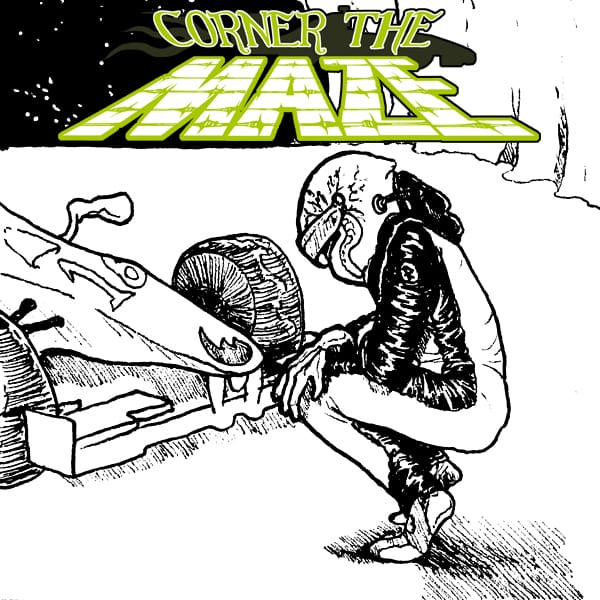
A side project I started in order to help with my illustration career, my first webcomic, ended up being something I was much more interested in. It turned out that people thought better of my writing for the comic than my art for it, which was a big surprise to me, because I'd always assumed my writing was pretty bad – which was the only reason I hadn't pursued it more. And so now, by a very winding path, I've found myself focusing far more on writing than art, and having moved almost completely away from theater.
And then there are my hobbies. I tend to focus very much on one thing at a time, but I've had a lot of hobbies, some of which I switch back to regularly (tabletop RPGs, reading, board games, computer gaming), some of which are newer but have become very important to me (racing, riding my bike, landscape photography), and some of which I don't do any more but have fond memories of (model rocketry, building robots, assorted brick building, roller skating, pixel art). Sometimes it feels difficult to gather all the parts of me together, which I've learned recently is a not-uncommon feeling for autistic peeople. When I was a teenager, I often felt like I was switching between modes of being whenever I switched my main hobby, and it was an uncomfortable feeling. I didn't like it. These days I feel more like it's all me, which is good, but there's still a lot. I've always struggled with questions like "what do you do?" or "what do you like to do?" because people seem to want a short, quick answer, and I can't give that. There's too much.
I don't regret my more meandering path. I did, for a while; it felt like every time I switched what I wanted to do I had lost all the time spent on the previous thing. But, particularly as I've landed (probably! for now!) on writing, I can see that nothing is really lost time. It's all part of me, it all informs my view of the world, and it leaves me with a lot of interesting bits of knowledge and skills that I can call on.
My experience with theater taught me a lot about portraying emotion, which I still struggle with slightly, but a good deal less than I would had I not spent so many years both acting myself and helping other people with their acting while directing. I also am very used to keeping track of where characters are at any one time from blocking shows, which is handy for not leaving a character just standing in a corner of the room, forgotten, while writing as well. And of course, theater is a different form of storytelling. I never wrote scripts, but when directing (and acting) one has to be aware of the story beats and how it all builds. My work in lighting and sound and makeup still helps me think about setting and what things look like, and my more recent experience with stage combat helps a lot with writing fight scenes and the aftermath of fight scenes.
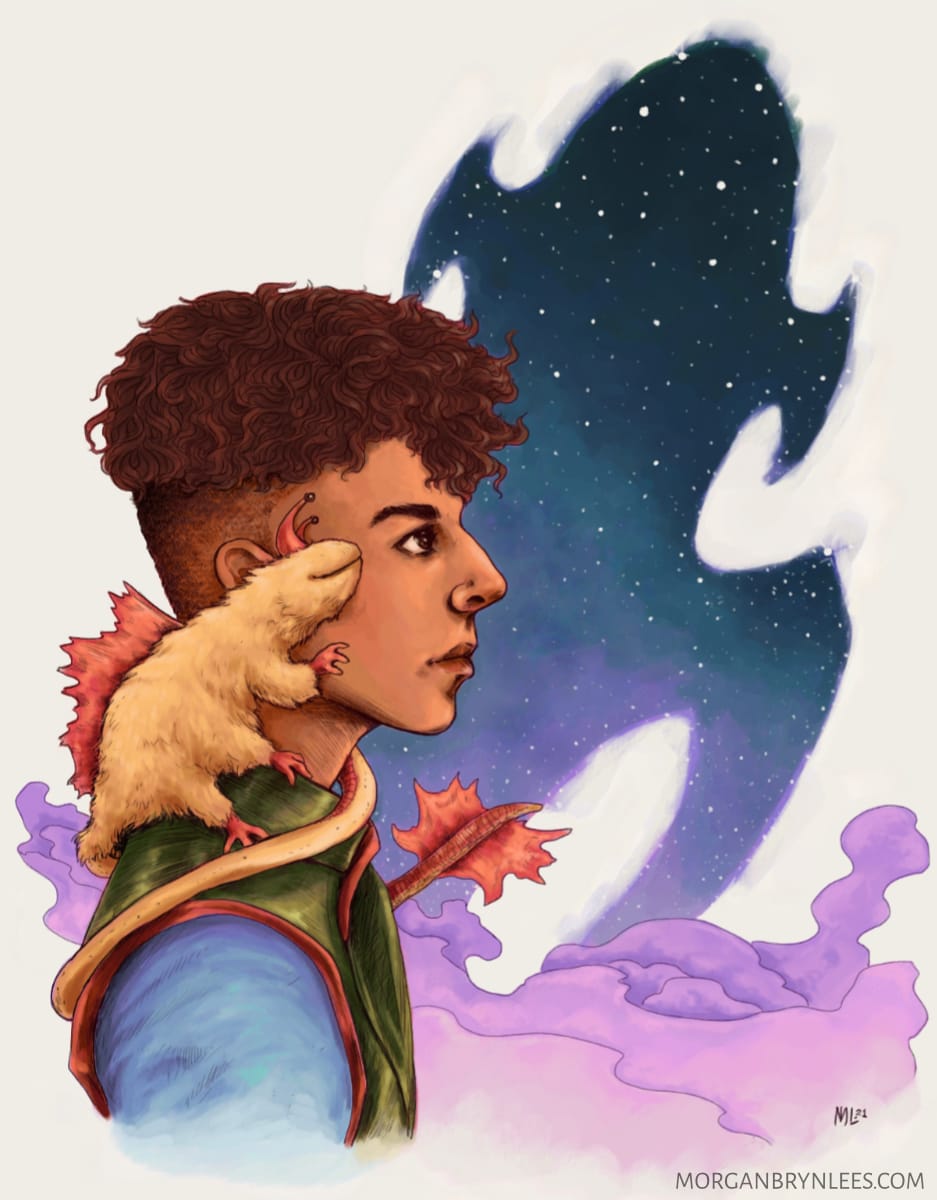
I like to draw my characters and some important settings, both while I'm working through the plot and just to give me a good handle on what they look like, and certainly my past in illustration helps with that. I'm sure that it has also has had more of an impact than I'm aware of on my descriptive skills, although not necessary always a positive one – when I'm reading or writing (and I also did this when blocking plays) I automatically see the scene playing out in my head, and sometimes that leads me to skimp on description. Often the biggest changes I make in a third draft, once I've got the bones of the plot more or less in place, is to go back in and add descriptions everywhere. So on the one hand, imagining things so vividly and automatically means I skimp on the description initially, but on the other hand it's all there in my head to look at when I go back in. A bit of a mixed one, this.
Roleplaying games, which I've been playing since I was very young, have honestly helped me immensely with understanding other viewpoints and figuring out how to create a character who sees the world and reacts to it very differently than I do. I still tend to develop characters slowly, but in RPGs and in writing, which can hamper me in shorter works, but without spending so much time playing RPGs it would be even harder. And since I also run games, that has helped me a good deal with plotting. I don't have to worry about the players not choosing to do what I'm hoping for when I'm writing a book, but being used to thinking about what other people might do has opened up more options while plotting that I might not have considered otherwise, and makes it easier to ensure that my characters are making organic choices instead of following where the plot says they have to go.
Those are the main three that are consistently helpful, but other hobbies and past jobs can come in handy from time to time, and I'm sure that will continue to be the case in ways that I haven't yet predicted.